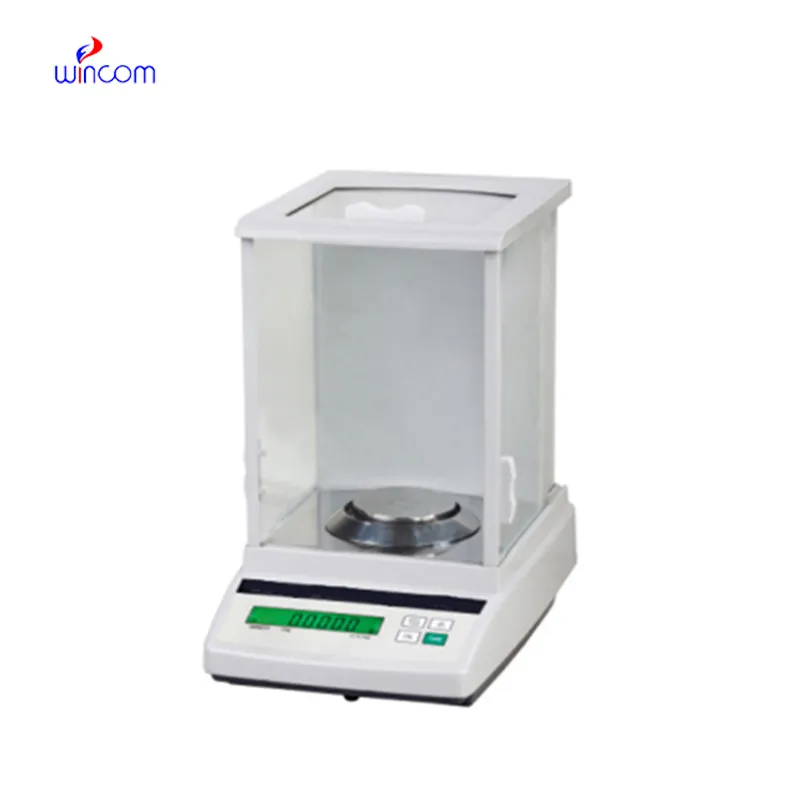
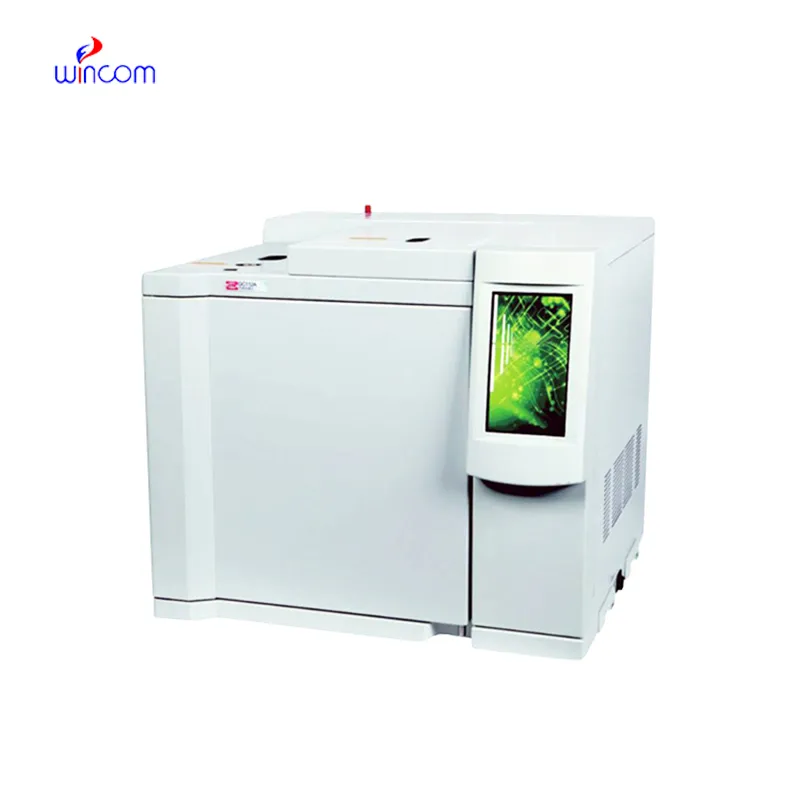
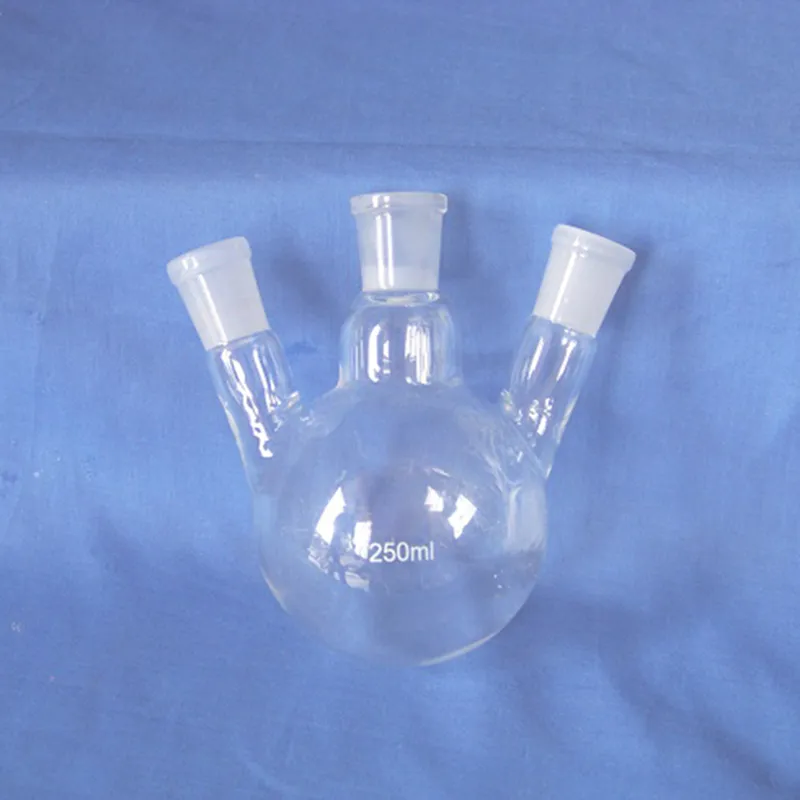
Crafted for performance and dependability, the water bath temperature chemistry lab provides dependable temperature control with an intuitive interface. It has a rugged outer casing and stainless steel inner tank to withstand corrosion and contamination. The water bath temperature chemistry lab offers rapid heat-up and uniform temperatures across the chamber, minimizing the possibility of sample destruction. Its display screens allow for real-time monitoring, facilitating precise adjustment during the experiment. Low noise operation with advanced thermal sensors, the water bath temperature chemistry lab guarantees stability and reliability during prolonged laboratory use.
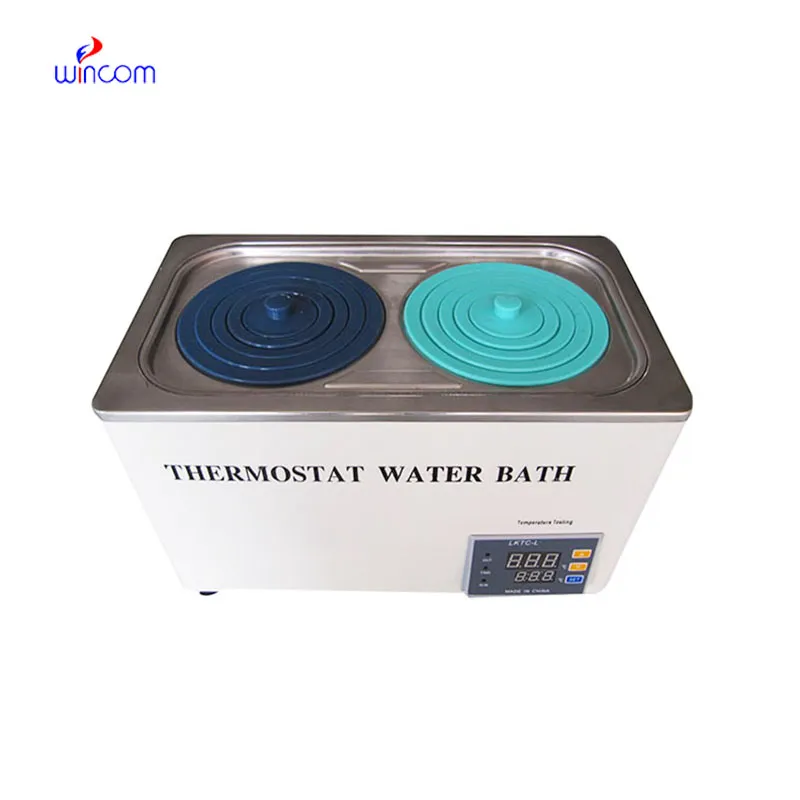
The water bath temperature chemistry lab provides wide usage of laboratory and test protocols through the maintenance of constant temperatures. It is used in sample incubation, coagulation testing, and research on enzymes. In physical and chemical tests, the water bath temperature chemistry lab is utilized to keep products at stable temperatures during tests for viscosity or density. The water bath temperature chemistry lab is further used in food, cosmetic, and pharmaceutical quality testing. The accuracy and stability of the water bath temperature chemistry lab ensure consistent results, making it an integral component of laboratory operations on a daily basis.

The future of water bath temperature chemistry lab is one of automation and intelligent design. Intelligent diagnostics will be built into the new models that recognize abnormal temperature behavior and adjust in real-time. Integration into digital laboratory platforms will allow for data synchronization for traceability and compliance. The water bath temperature chemistry lab will be more energy efficient with smarter heating coils and improved insulators. Because labs demand higher accuracy and environmental sensitivity, the water bath temperature chemistry lab will remain a standard in today's research laboratories.

Routine maintenance procedures need to be performed by the users to make the water bath temperature chemistry lab function properly. Clean the tank every week to remove mineral buildup or chemical residue. Scaling and corrosion are prevented through the use of distilled water. Dry parts completely after cleaning before filling up. The heating coil and temperature sensor should be checked for build-up or debris. Electrical components should not be submerged in water when cleaning. Proper routine maintenance makes the water bath temperature chemistry lab accurate, safe, and efficient to utilize over a long period of time.
A water bath temperature chemistry lab is an easy way to have constant temperatures for a number of laboratory applications. It possesses a heating element and thermostat to maintain the water at a level chosen by the user. Scientists rely on the water bath temperature chemistry lab for incubation, chemical reaction, and sample heating operations that require accurate temperature control. The gentle circulation of the water prevents hot spots and cold spots from occurring, providing uniform heat transfer. Constructed with a strong outer casing and safety mechanisms, the water bath temperature chemistry lab is a workhorse for routine and specialized lab procedures.
Q: What is the primary function of a water bath in the laboratory? A: A water bath is used to maintain samples at a constant temperature for extended periods, providing stable heating conditions for experiments and reactions. Q: Why is distilled water recommended for use in a water bath? A: Distilled water is preferred because it prevents mineral buildup, reduces corrosion, and helps extend the lifespan of the equipment. Q: How often should the water in a water bath be replaced? A:When contamination or visible residue occurs, it should be replaced at least once a week or more frequently to ensure cleanliness and accurate heating performance. Q: What safety measures should be taken when operating a water bath? A: Users should avoid overfilling, keep electrical components dry, and regularly check temperature controls to prevent overheating or short circuits. Q: Can a water bath be used for heating flammable liquids? A: No, flammable liquids should never be heated in a water bath, as vapors can ignite when exposed to heat or electrical sparks.
We’ve used this centrifuge for several months now, and it has performed consistently well. The speed control and balance are excellent.
The hospital bed is well-designed and very practical. Patients find it comfortable, and nurses appreciate how simple it is to operate.
To protect the privacy of our buyers, only public service email domains like Gmail, Yahoo, and MSN will be displayed. Additionally, only a limited portion of the inquiry content will be shown.
I’m looking to purchase several microscopes for a research lab. Please let me know the price list ...
We’re interested in your delivery bed for our maternity department. Please send detailed specifica...
E-mail: [email protected]
Tel: +86-731-84176622
+86-731-84136655
Address: Rm.1507,Xinsancheng Plaza. No.58, Renmin Road(E),Changsha,Hunan,China


 EN
 af
 es
 ar
 tr
 sw
 pt
 th
 ur
 bn
 ne
 vi
 km
 lo
 de
 ru
 fi
 nl
 fa
 fr
 ko