veterinary anesthesia monitoring is a device for multi-parameter monitoring which has been specifically designed for continuous and extensive observation of the patient's health condition. It is made by merging the ECG function with other physiological measurements and as a result, it provides structured clinical data that is good for hospital usage. The medical staff is very much dependent on its reliable performance in order to keep track of the patient’s condition through the different stages of treatment. The device is versatile enough to be used in different clinical settings of the healthcare institutions.
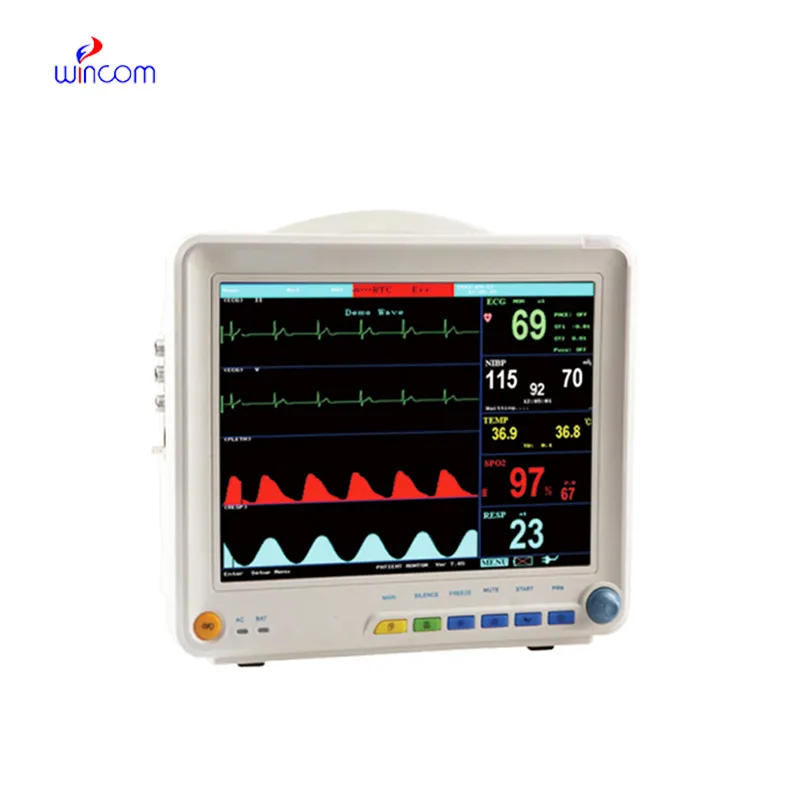
veterinary anesthesia monitoring helps in the non-stop monitoring of patients during their transport in hospital units. ECG and vital sign data are still visible when moving from one department to another. This technique increases the care continuity and diminishes the monitoring breaks during transfers in the hospital systems.

Theveterinary anesthesia monitoring will be developed to have a greater interaction with the clinical systems that are most intelligent as the automation in hospitals keeps on spreading. More such features will be created in the future that will be similar to the above-mentioned support for alerts that are automated, recognition of patterns, and visualization of trends according to the continuous flow of ECG data. This step will increase the awareness of the clinical staff and assist with the monitoring of the patients already mentioned through the hospital units and the research labs thus being proactive.
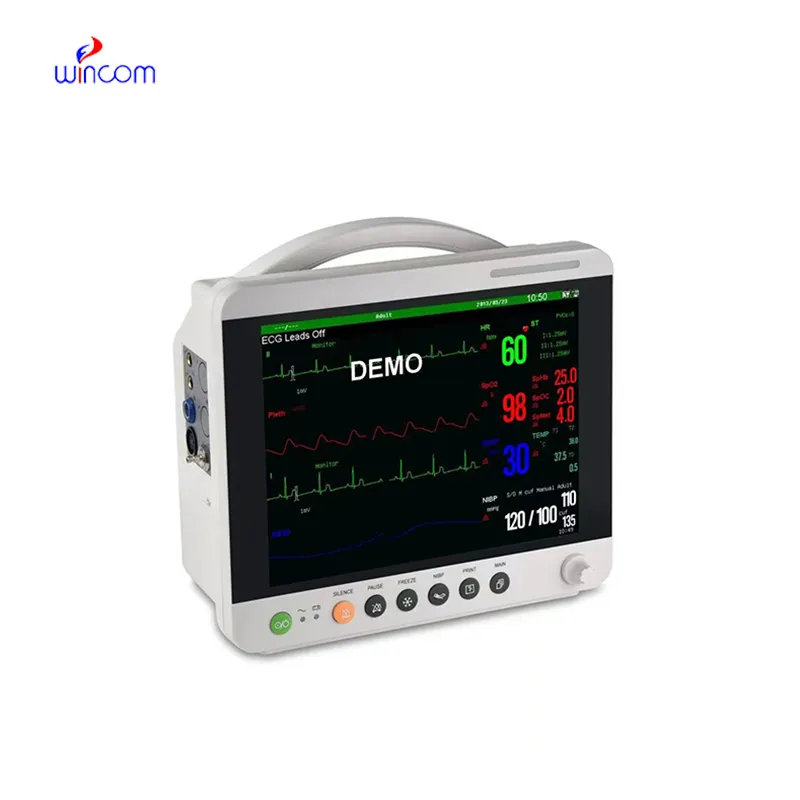
veterinary anesthesia monitoring is dependent on the environment monitoring to reach maximum performance level. Locating the equipment out of the direct influence of high electromagnetic interference, powerful airflow, or vibration sources will lessen the interference to the measurements to a great extent. Regular functional tests check if alarms are working properly, ECG waveforms are clear, and signals are stable. The medical staff must adhere to the written guidelines of the handling procedures, making sure that the electrodes and all the necessary accessories are connected correctly. All these preventive methods not only protect the delicate parts but also guarantee the monitoring that is uninterrupted and trustworthy all through hospital intensive care units, recovery rooms, and laboratory environments.
In hospital patient care areas and emergency rooms, veterinary anesthesia monitoring is a common practice for quick patient evaluation. Constant ECG monitoring enables medical personnel to see variations in heart rhythm simultaneously. Such a feature is vital in critical care, post-surgery monitoring, and everyday patient observation. The use of veterinary anesthesia monitoring in hospital processes increases medical awareness and facilitates prompt decision-making in all nursing care areas.
Q: How often should ECG electrodes be replaced? A: Signal detection accuracy depends on the regular replacement of electrodes. Q: Can a Patient Monitor & ECG be used in neonatal care? A: Certainly, the use of specialized sensors allows safe monitoring of newborns and infants. Q: Does a Patient Monitor & ECG provide alarm functions? A: Alarms are indeed present, with notifications sent to the staff in case of abnormal heart rates or any other vital sign changes. Q: Can it record trends over time? A: It can indeed show historical data for patient analysis and clinical evaluation. Q: Is maintenance required for a Patient Monitor & ECG? A: Long-term performance and accuracy depend on regular maintenance and cleaning which are appropriate for the equipment.
We’ve used this centrifuge for several months now, and it has performed consistently well. The speed control and balance are excellent.
We’ve been using this mri machine for several months, and the image clarity is excellent. It’s reliable and easy for our team to operate.
To protect the privacy of our buyers, only public service email domains like Gmail, Yahoo, and MSN will be displayed. Additionally, only a limited portion of the inquiry content will be shown.
We’re looking for a reliable centrifuge for clinical testing. Can you share the technical specific...
We’re interested in your delivery bed for our maternity department. Please send detailed specifica...
E-mail: [email protected]
Tel: +86-731-84176622
+86-731-84136655
Address: Rm.1507,Xinsancheng Plaza. No.58, Renmin Road(E),Changsha,Hunan,China


 EN
 af
 es
 ar
 tr
 sw
 pt
 th
 ur
 bn
 ne
 vi
 km
 lo
 de
 ru
 fi
 nl
 fa
 fr
 ko