rodent anesthesia machine assists hospitals in providing exact anesthesia by constantly observing patient respiration and oxygenation. The integrated system of rodent anesthesia machine is made up of vaporizers, flow meters, and alarms that work together to control the level of anesthetic and ensure safety for the patient. Anesthesiologists in operating rooms and intensive care units rely on this device to perform real-time monitoring of airway pressures and ventilation parameters. Manifold and very precise gas delivery and respiratory monitoring are the requirements for laboratory-based research studies, where rodent anesthesia machine already has its application. The combination of safety features and continuous physiological feedback provides consistent and reliable anesthesia management in both clinical and experimental settings.
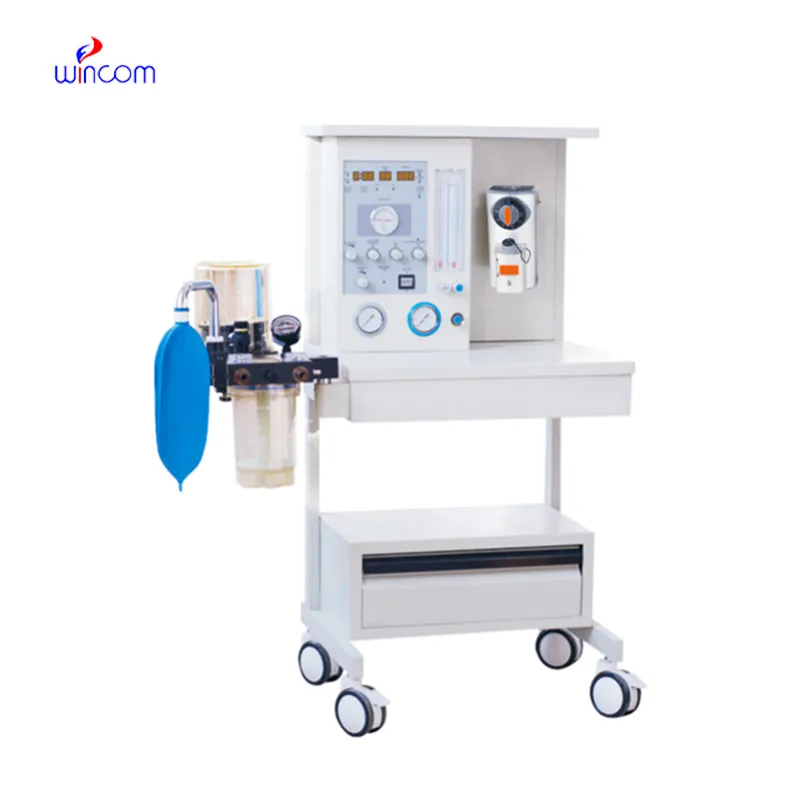
In medical research done in the laboratory, rodent anesthesia machine is utilized for keeping anesthesia under control during experimental procedures. The researchers apply the instrument for the purpose of keeping steady respiratory conditions and thereby studying physiological reactions. The anesthetic's delivery exactness is determined to be the basis for the experiments' reproducibility and safety. The capability of the device to monitor helps to observe the respiratory and oxygen variables during the entire course of the experiment. This specific use exemplifies the importance of rodent anesthesia machine in assisting clinical trials and laboratory studies in the realm of medicine.

The future involvement of rodent anesthesia machine in hospitals might also lead to the establishment of hybrid operating rooms and innovative interventional suites. Such setups have surgery, imaging, and diagnostics together which means the anesthesia equipment must be very adaptable. New anesthesia machines could be able to have full integration with imaging systems and complex procedural workflows. This change is a sign of the progressive development of the huge modern healthcare facilities where rodent anesthesia machine is able to give a floor to the multidisciplinary medical procedures by providing tech support even when the procedures are very complicated.
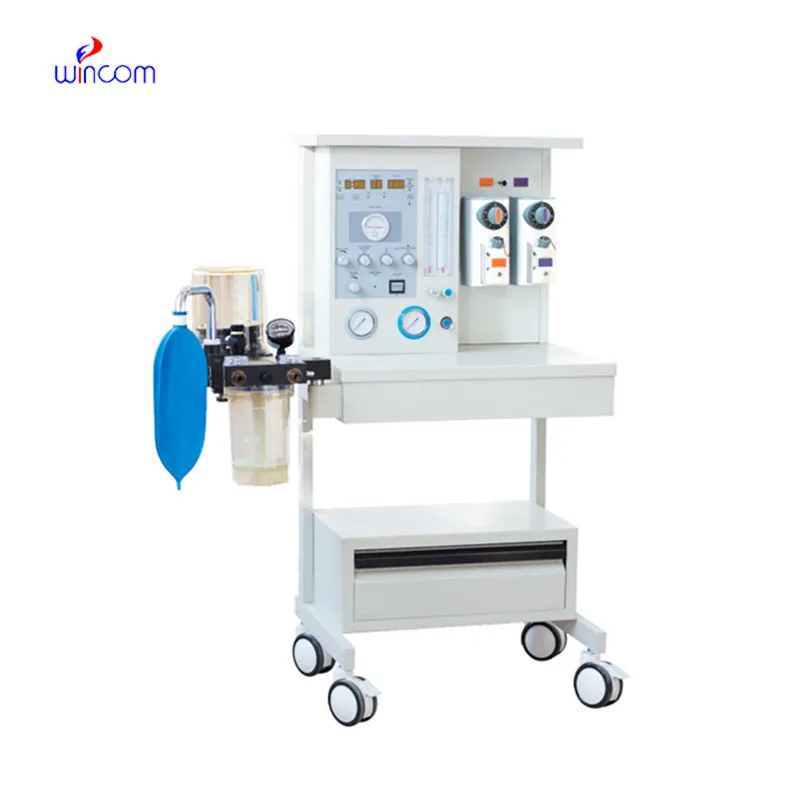
The proper care of rodent anesthesia machine starts with weekly inspection before and after daily clinical use. The gas pipelines, connectors, and flow meters should be checked by the hospital staff to make sure they are working correctly. Cleaning and replacing of breathing circuits and masks should be done according to infection control protocols. Regular calibration of monitoring components is a way to always have accurate readings. In high-traffic operating rooms, stable maintenance schedules cut down on sudden breaks. Hospitals can prolong the lifespan of rodent anesthesia machine and keep anesthesia delivery reliable by using inspection schedules that are structured.
In rodent anesthesia machine, the basic principles and methods of anesthesia are demonstrated in clinical teaching environments. Medical students and interns get to see the functioning of gas flow systems, vaporizers, and patient monitoring. This use of teaching makes it easier for the learners to grasp ventilation, oxygenation, and anesthetic delivery in actual hospital surroundings. By combining watching with hands-on training, rodent anesthesia machine makes the learning outcomes better in anesthesia education programs.
Q: What is the main function of an anesthesia machine? A: Controlled anesthetic gases are delivered and the patient is ventilated during medical procedures. Q: Where is the anesthesia machine frequently used? A: Hospitals mainly use it in their operating rooms, emergency units, and intensive care departments. Q: Who operates the anesthesia machine during surgery? A: Trained anesthesiologists or anesthesia technicians are responsible for operating the device. Q: Can the anesthesia machine assist the breathing of a patient? A: Yes, by providing mechanical ventilation support when spontaneous breathing is insufficient. Q: Does the device monitor respiratory parameters? A: It monitors airflow, pressure and oxygen concentration all through the delivery.
The microscope delivers incredibly sharp images and precise focusing. It’s perfect for both professional lab work and educational use.
The hospital bed is well-designed and very practical. Patients find it comfortable, and nurses appreciate how simple it is to operate.
To protect the privacy of our buyers, only public service email domains like Gmail, Yahoo, and MSN will be displayed. Additionally, only a limited portion of the inquiry content will be shown.
I’m looking to purchase several microscopes for a research lab. Please let me know the price list ...
We’re interested in your delivery bed for our maternity department. Please send detailed specifica...
E-mail: [email protected]
Tel: +86-731-84176622
+86-731-84136655
Address: Rm.1507,Xinsancheng Plaza. No.58, Renmin Road(E),Changsha,Hunan,China


 EN
 af
 es
 ar
 tr
 sw
 pt
 th
 ur
 bn
 ne
 vi
 km
 lo
 de
 ru
 fi
 nl
 fa
 fr
 ko