Its superior optics enhance observation precision with crisp, high-resolution images at every magnification. Its durable construction resists frequent use in the classroom and professional environments. The variable brightness and focusing adjustments make the portable microscope for pathogen observation in medical labs suitable for many types of specimens, from biological tissues to industrial samples. Optional digital accessories extend its functionality with high-resolution imaging, data storage, and analytical interface with modern research systems.
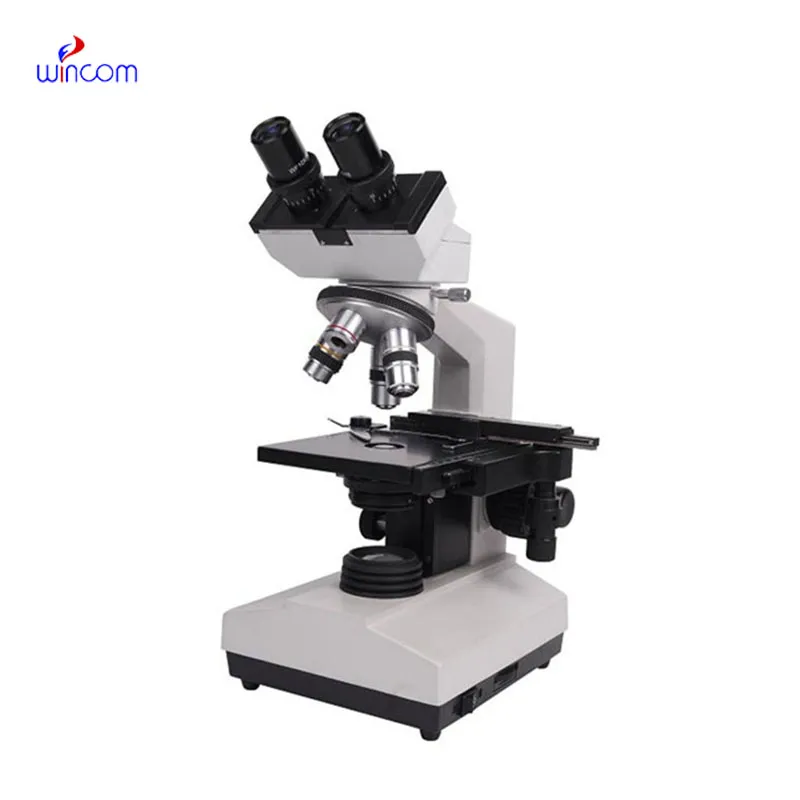
The portable microscope for pathogen observation in medical labs is applied widely in biology for studying cells, tissues, and microorganisms with unmatched clarity. Clinically, it is applied to assist in the diagnosis of infections, blood diseases, and cell disorders. In industry, the portable microscope for pathogen observation in medical labs is employed for material examination, surface flaw detection, and microstructure analysis of metals and polymers. In institutions of learning, it is a teaching tool that helps students learn microscopic anatomy and chemical reactions. Its use extends into environmental monitoring where it is used to analyze soil or water samples to ascertain quality and detect pollutants.
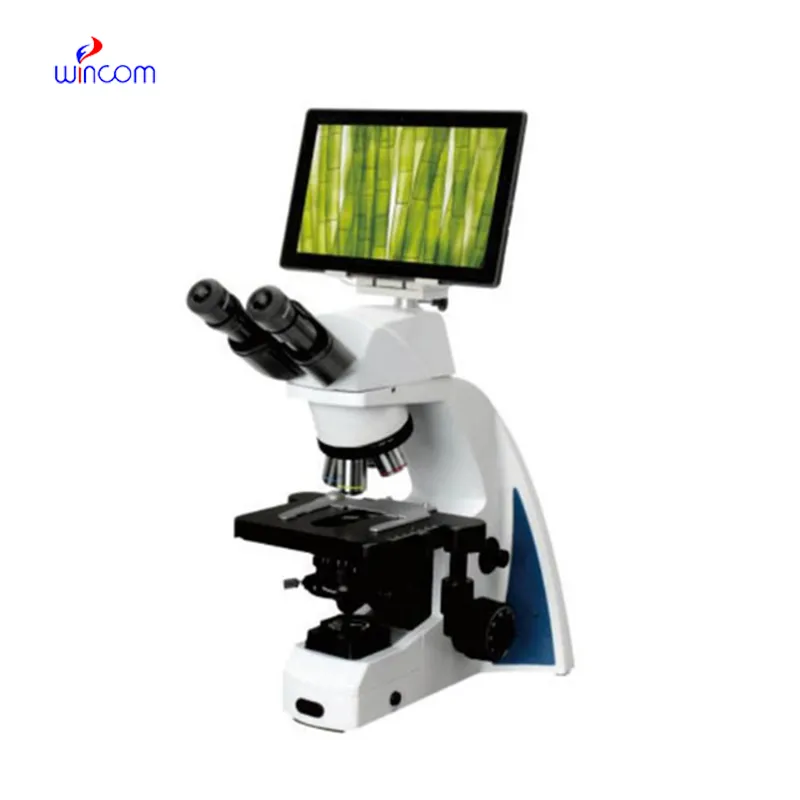
The portable microscope for pathogen observation in medical labs will emerge hand in hand with revolutionary breakthroughs in computer science and optics. Future designs will incorporate ultra-sensitive detectors that can measure nanoscale motion in real-time. Through AI-aided enhancement, the portable microscope for pathogen observation in medical labs will facilitate predictive medicine and materials science analysis. Enhanced portability will allow researchers to employ small units on-site or at remote sites. As further technology emerges, the portable microscope for pathogen observation in medical labs will provide a critical portal for microanalysis and worldwide science networks.
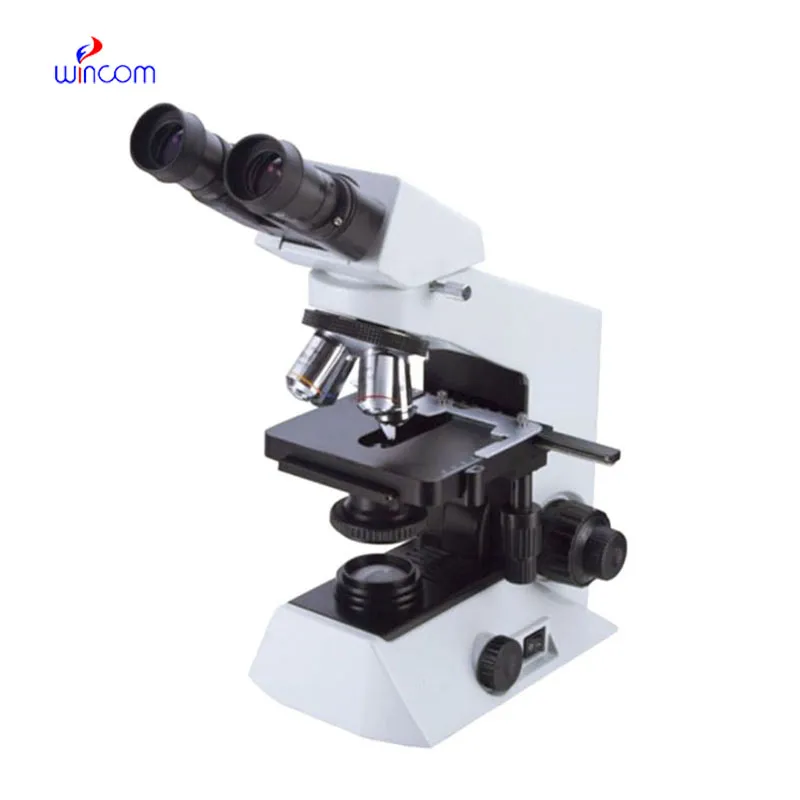
The portable microscope for pathogen observation in medical labs has the strength of longevity, which is dependent on the right handling and maintenance by cleaning regularly. Clean the eyepieces, objectives, and stage with accepted lens paper after each use. Remove all slides and samples prior to shutdown. The portable microscope for pathogen observation in medical labs should be stored in a cool, dry place to avoid corrosion and mold. Check screws and mechanical joints for support at intervals. The electrical components, such as the power supply unit and light source, should be inspected frequently to ensure safe operation.
A portable microscope for pathogen observation in medical labs is an entry to the micro world, bringing one into contact with structures that characterize life and matter. It works by magnifying specimens through accuracy lenses and management of light, producing good images for research and study. The portable microscope for pathogen observation in medical labs gives assistance to microbiology, pathology, and materials engineering and other fields of study, enabling close examination and data collection. With features like LED illumination and picture software, it adds more precision, stability, and efficacy to users everywhere.
Q: What is a microscope used for? A: A microscope is used to magnify tiny objects or structures, allowing detailed observation of cells, microorganisms, and materials that are invisible to the naked eye. Q: How often should a microscope be calibrated? A: To maintain measurement accuracy and ensure accurate focus during research or analysis, regular calibration should be performed, typically once or twice a year. Q: What type of light source is commonly used in a microscope? A: Most modern microscopes use LED or halogen light sources, which provide stable light and adjustable brightness for clear images at a wide range of magnifications. Q: Can a microscope be connected to a computer? A: Yes, many microscope models feature USB or HDMI ports that allow image capture and digital display through specialized imaging software. Q: How should a microscope be stored when not in use? A: A microscope should be covered with a dust shield and stored in a cool, dry location to prevent contamination and protect optical components from humidity.
The centrifuge operates quietly and efficiently. It’s compact but surprisingly powerful, making it perfect for daily lab use.
We’ve used this centrifuge for several months now, and it has performed consistently well. The speed control and balance are excellent.
To protect the privacy of our buyers, only public service email domains like Gmail, Yahoo, and MSN will be displayed. Additionally, only a limited portion of the inquiry content will be shown.
Hello, I’m interested in your centrifuge models for laboratory use. Could you please send me more ...
Could you share the specifications and price for your hospital bed models? We’re looking for adjus...
E-mail: [email protected]
Tel: +86-731-84176622
+86-731-84136655
Address: Rm.1507,Xinsancheng Plaza. No.58, Renmin Road(E),Changsha,Hunan,China


 EN
 af
 es
 ar
 tr
 sw
 pt
 th
 ur
 bn
 ne
 vi
 km
 lo
 de
 ru
 fi
 nl
 fa
 fr
 ko