In the laboratories of hospitals and clinics, laboratory analytical balance is responsible for the precise weighing of patient samples, reagents, and pharmaceutical ingredients. Being highly precise, it minimized sample preparation errors and that is a good support for analytical results that can be reproduced. Laboratory techs apply laboratory analytical balance in the processes of quality control, method validation, and even daily operations. Reliable diagnostics, efficient laboratory workflows, and high-quality research and medical testing are the consequences of the accuracy and consistency maintained by laboratory analytical balance.

Hospitals' analytical laboratories use laboratory analytical balance during the production of internal standards for instrument testing methods. Very accurate mass input is a must to maintain uniformity over different analytical runs. This use case allows for comparison of still data, traceability, and monitoring of analytical performance over a long period. By allowing exact preparation of reference materials, laboratory analytical balance boosts measurement confidence in all phases of hospital laboratory work.
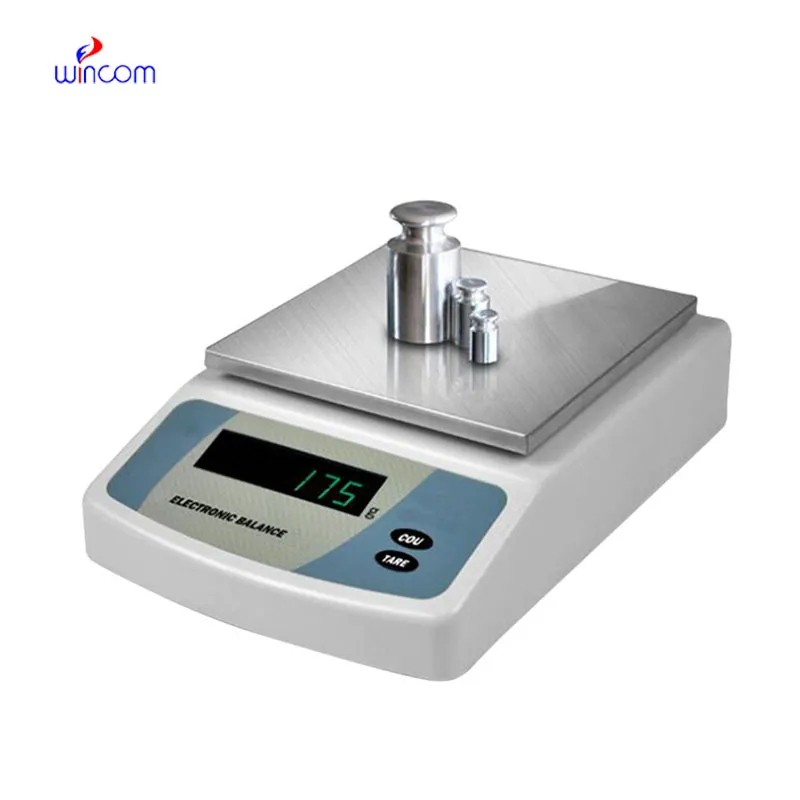
The ongoing evolution of regulations will see the laboratory analytical balance adding features for compliance support that will be more advanced. Hospital lab audits and accreditation standards will be met with the help of the documentation functions and secure data storage. This future trend will greatly improve the quality management processes in all hospitals and research labs.
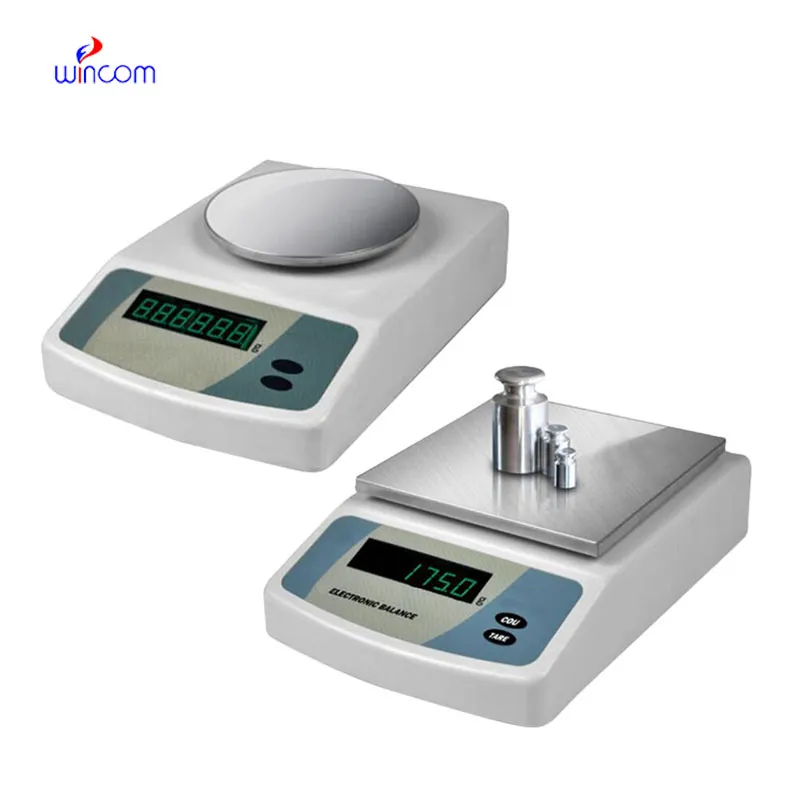
In order to keep laboratory analytical balance in a good condition consistent calibration practices are needed that follow hospital laboratory protocols. Scheduled calibration checks are performed to maintain the reliability of measurements during daily activities involving analysis. Conditions in the environment such as temperature and the amount of air that moves around should be kept under control so as to prevent drift. The people operating the machines should make sure that there are no sudden changes in load and that the weighing pan is not subjected to excessive force. Through adhering to controlled handling practices, laboratory analytical balance is always trusted for pharmaceutical preparation and medical research activities.
In contemporary laboratories, laboratory analytical balance is fundamental for the exact weighing of samples. Due to its very high sensitivity, it can even pick up the presence of the smallest amounts, which in turn facilitates the exact making of chemical solutions, reagents, and drugs. Even the smallest variations can change the results of the experiments, therefore lab technicians depend on laboratory analytical balance. Calibration and control of the environment are done properly and they produce the same kind of results every time. laboratory analytical balance is a must-have for research, quality control, and daily lab operations, hence it contributes to the reliability of both experimental and clinical studies.
Q: What maintenance does an Analytical Balance require? A: A periodic cleaning, checking of the calibration, and also verifying the performance are all necessary. Q: Can an Analytical Balance handle continuous daily use? A: Yes, provided that the correct laboratory conditions and rules are followed. Q: Why is leveling important for an Analytical Balance? A: The accuracy and repeatability of the measurements depend on proper leveling. Q: Can Analytical Balances be connected to laboratory systems? A: Most of the models allow connectivity with laboratory information systems. Q: Are Analytical Balances sensitive to vibration? A: Yes, stable weight readings can be disturbed by vibrations.
The microscope delivers incredibly sharp images and precise focusing. It’s perfect for both professional lab work and educational use.
We’ve been using this mri machine for several months, and the image clarity is excellent. It’s reliable and easy for our team to operate.
To protect the privacy of our buyers, only public service email domains like Gmail, Yahoo, and MSN will be displayed. Additionally, only a limited portion of the inquiry content will be shown.
Could you share the specifications and price for your hospital bed models? We’re looking for adjus...
Could you please provide more information about your microscope range? I’d like to know the magnif...
E-mail: [email protected]
Tel: +86-731-84176622
+86-731-84136655
Address: Rm.1507,Xinsancheng Plaza. No.58, Renmin Road(E),Changsha,Hunan,China


 EN
EN
 af
af
 es
es
 ar
ar
 tr
tr
 sw
sw
 pt
pt
 th
th
 ur
ur
 bn
bn
 ne
ne
 vi
vi
 km
km
 lo
lo
 de
de
 ru
ru
 fi
fi
 nl
nl
 fa
fa
 fr
fr
 ko
ko