In the operating rooms and laboratory hospitals, labeled anesthesia machine does an all-in-one job of anesthesia management with the help of gas delivery, ventilation, and monitoring systems. It gives a constant eye on the respiratory function, oxygen levels, and airway pressures. The machine guarantees the patient's sedation stability during difficult operations. With safety alarms, vaporizers, and gas flow controls that can be adjusted, labeled anesthesia machine lets the anesthesiologists do real-time modifications, thereby assuring accuracy and reliability. Its multifunctionality and exactness offer it to be used for both the daily surgical operations and the labs that needed special conditions for anesthesia to be studied and, thus, controlled.
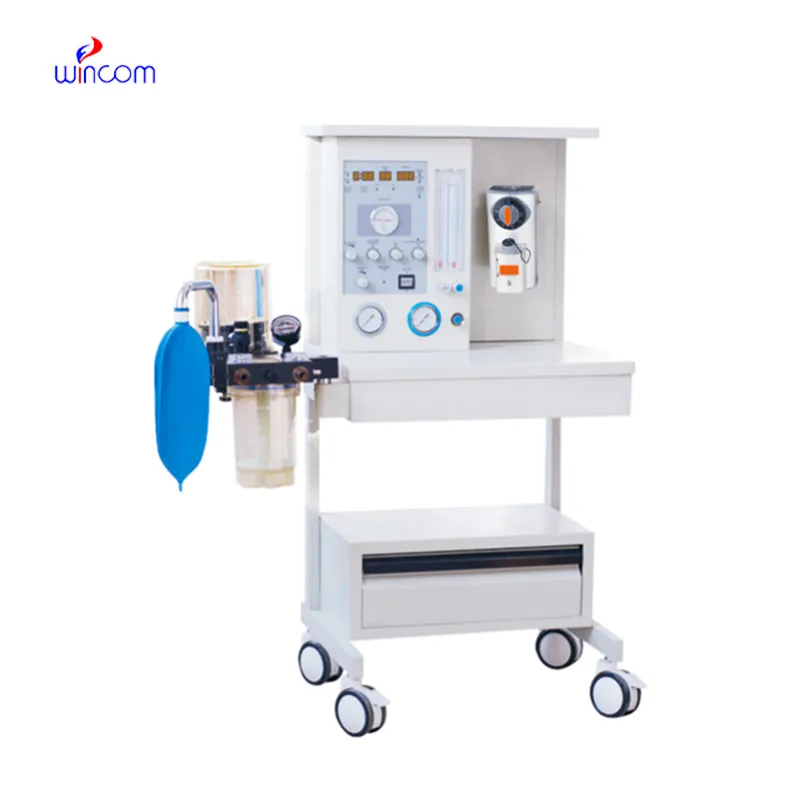
In the recovery and post-anesthesia care units, labeled anesthesia machine is utilized to help patients move from anesthesia to the natural breathing process. Gradual cutting down of anesthetic gases is supported by the device while respiratory support is provided as per requirement. Medical personnel watch vigilantly over the patient reactions during this stage. Its use guarantees a regulated and risk-free deactivation of anesthesia, thus minimizing complications during postoperative recovery. This function emphasizes the remarkable clinical impact of labeled anesthesia machine that stretches beyond the operating theater.
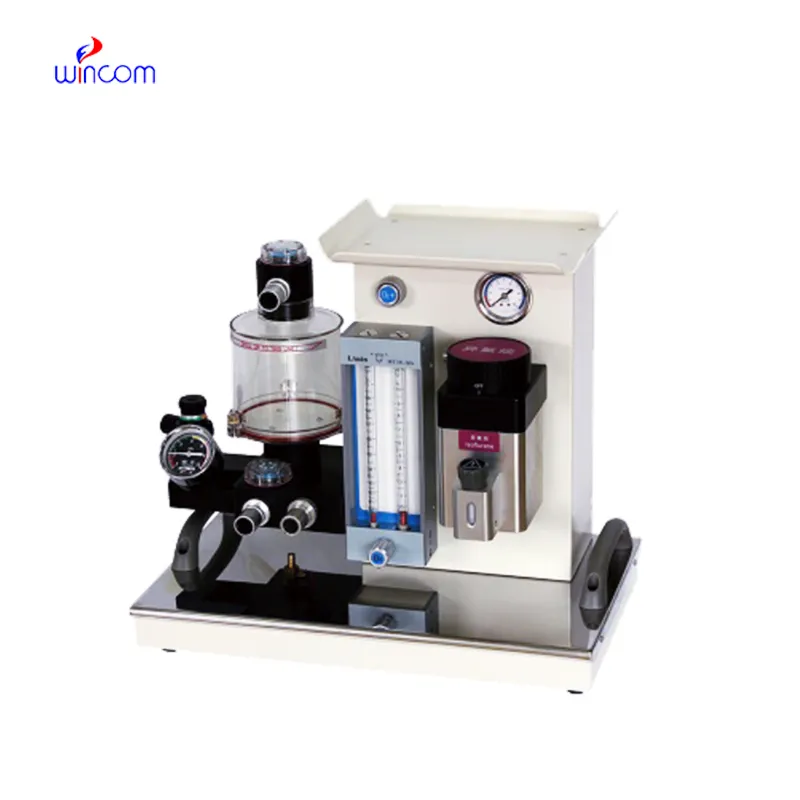
Further development of labeled anesthesia machine is likely to incorporate state-of-the-art alarm and detection systems which will make patient safety the top priority. More sensitive sensors might even manage to detect minute variations in airway pressure, oxygen supply, or even respiratory patterns. Hospitals might get the advantage of getting the alerts earlier and managing the risks better. This development leads to safer administration of anesthesia in high-risk surgeries and also the critical care areas. So, with the passage of time, labeled anesthesia machinewill surely become more protective of the patients via technology.
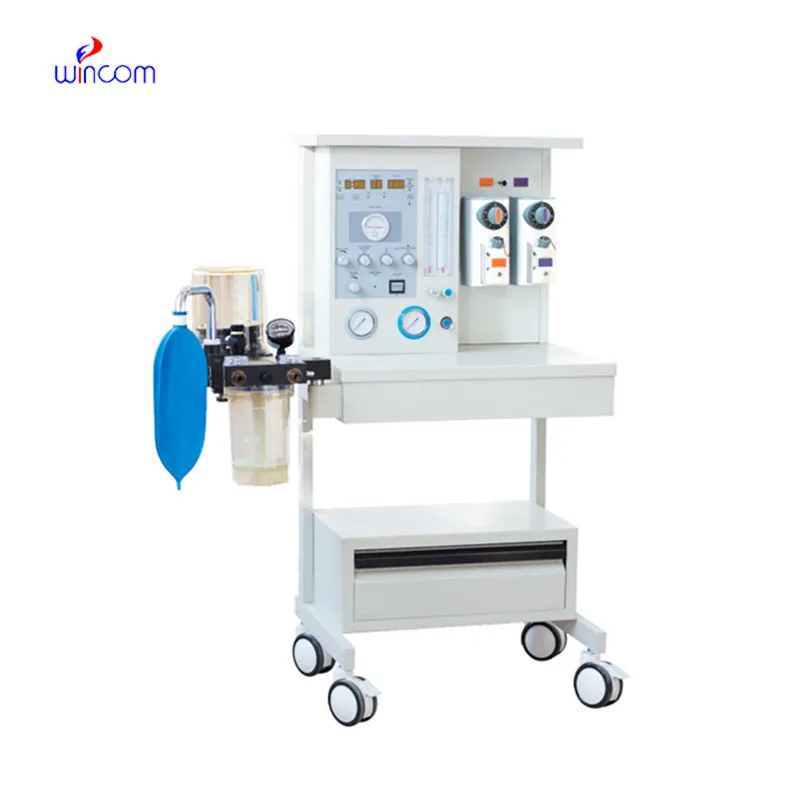
The proper care of labeled anesthesia machine starts with weekly inspection before and after daily clinical use. The gas pipelines, connectors, and flow meters should be checked by the hospital staff to make sure they are working correctly. Cleaning and replacing of breathing circuits and masks should be done according to infection control protocols. Regular calibration of monitoring components is a way to always have accurate readings. In high-traffic operating rooms, stable maintenance schedules cut down on sudden breaks. Hospitals can prolong the lifespan of labeled anesthesia machine and keep anesthesia delivery reliable by using inspection schedules that are structured.
Hospital intensive care units make use of labeled anesthesia machine for sedation and ventilation support in critically ill patients. The instrument guarantees the patient's safety during the surgical interventions because it is capable of delivering precise anesthetics and monitoring the patient's respiration at the same time. It has alarm systems and customizable settings that enable quick reaction to changes in the body's functions. By ensuring dependable anesthesia and ventilation support, labeled anesthesia machine becomes a crucial factor in the provision of safe and high-quality patient care in the areas of surgery and critical care labs.
Q: Can the Anesthesia Machine be utilized in places apart from the operating rooms? A: It can also be applied in emergency rooms, ICUs, and procedure suites. Q: What is the significance of ventilation in the anesthesia process? A: The patient’s oxygen exchange is kept at a good level during anesthesia by ventilation. Q: Are the machine’s components disposable? A: To keep the hygiene level high, it is common that breathing circuits and masks are for single use only. Q: In what ways does the machine contribute to patient safety? A: Active monitoring and alerts are there to spot the unfit conditions earlier than anyone else. Q: Is the calibration of the device done frequently? A: Calibration ensures not only the accuracy of gas delivery but also the quality of monitoring performance.
The hospital bed is well-designed and very practical. Patients find it comfortable, and nurses appreciate how simple it is to operate.
The water bath performs consistently and maintains a stable temperature even during long experiments. It’s reliable and easy to operate.
To protect the privacy of our buyers, only public service email domains like Gmail, Yahoo, and MSN will be displayed. Additionally, only a limited portion of the inquiry content will be shown.
We’re looking for a reliable centrifuge for clinical testing. Can you share the technical specific...
We’re currently sourcing an ultrasound scanner for hospital use. Please send product specification...
E-mail: [email protected]
Tel: +86-731-84176622
+86-731-84136655
Address: Rm.1507,Xinsancheng Plaza. No.58, Renmin Road(E),Changsha,Hunan,China


 EN
 af
 es
 ar
 tr
 sw
 pt
 th
 ur
 bn
 ne
 vi
 km
 lo
 de
 ru
 fi
 nl
 fa
 fr
 ko