With contemporary health care in consideration, the hospital bed combines smart features with a design that is ergonomic. It usually includes a caregiver control panel and side buttons that are patient-use. The bed height, backrest, and leg segments are adjustable based on the specific medical procedure. The hospital bed may include folding side rails, oxygen holder slots, and IV pole connections. Its intended design is patient safety, long-term durability, and ease to sanitize in a healthcare environment.
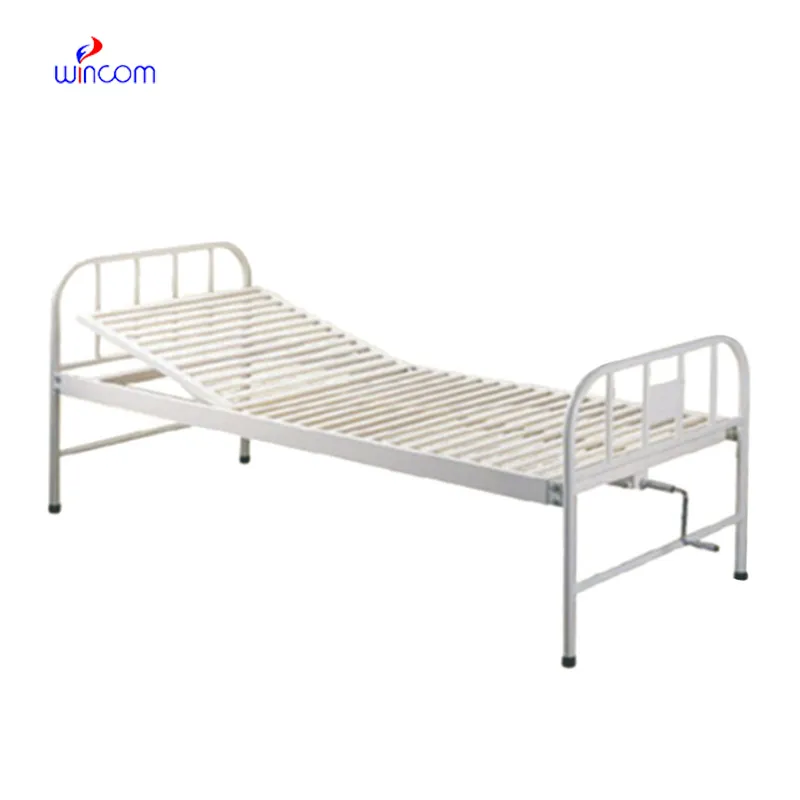
The hospital bed finds application in both inpatient and outpatient facilities. The hospital bed makes patient handling during examination, therapy, and post-surgery monitoring effortless. The hospital bed enhances patient recovery by facilitating easy changes in posture, improving circulation, and reducing fatigue. The hospital bed is also applied to palliative care to ensure comfort and dignity for patients requiring prolonged bed rest. Through the adjustability and stability of the hospital bed, increased efficiency of healthcare workflow is ensured.
As health tech continues to advance, the hospital bed will develop into a comprehensive healthcare platform. It may be integrated with hospital robotics for automatic repositioning and cleaning. Smart pressure sensors will dynamically adapt to patient needs, reducing strain and improving rest. The hospital bed will also enable telemedicine by transmitting health metrics remotely to physicians. Its future lies in blending comfort, automation, and connectivity for a more holistic approach to patient care.
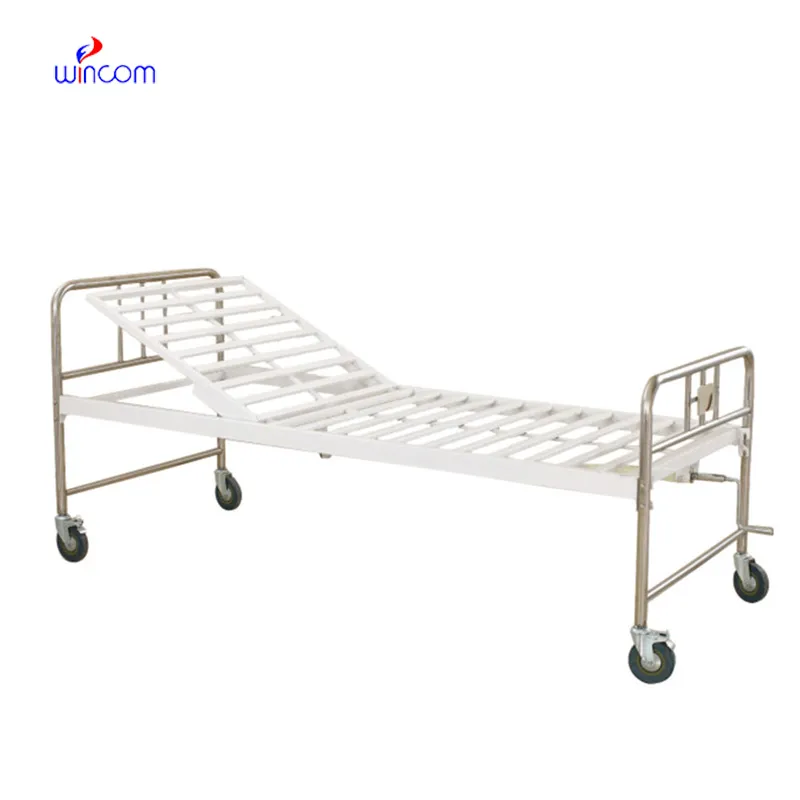
The longevity of the hospital bed depends on constant care and preventive maintenance. Periodic visual inspection shows damage, rust, or wear beforehand. Electrical parts require inspection for free adjustment and even power output. The hospital bed must be sanitized between patient use for hygiene. Safety rails and wheel locks require regular checks for usability. Proper storage and routine maintenance can significantly improve longevity and reliability.
The hospital bed is an integral part of modern healthcare, having adjustable care for patients with varying medical needs. It has adjustable features making recovery easy and nursing activities convenient. Lockable wheels, safety rails, and easy-to-clean surfaces are attributes of the hospital bed to provide hygiene and stability support. Designed for patient health as well as caregiver efficiency, the hospital bed ensures quality provision of healthcare in hospitals, rehabilitation facilities, and long-term care institutions.
Q: Why is adjustability important in a hospital bed? A: Adjustability allows patients to find comfortable positions and helps caregivers perform medical tasks more efficiently. Q: How do hospital beds help maintain hygiene? A: Smooth, easy-to-clean surfaces and disinfectant-safe materials prevent contamination and ensure cleanliness. Q: What function do casters serve in a hospital bed? A: Casters provide easy movement, allowing quick repositioning or transfer of patients within the facility. Q: How do hospital beds support patient recovery? A: By reducing pressure points and supporting posture, hospital beds promote circulation and aid faster recovery. Q: Are there different types of hospital beds? A: Yes, hospital beds come in manual, semi-electric, and fully electric models to meet diverse medical needs.
The microscope delivers incredibly sharp images and precise focusing. It’s perfect for both professional lab work and educational use.
This ultrasound scanner has truly improved our workflow. The image resolution and portability make it a great addition to our clinic.
To protect the privacy of our buyers, only public service email domains like Gmail, Yahoo, and MSN will be displayed. Additionally, only a limited portion of the inquiry content will be shown.
We’re looking for a reliable centrifuge for clinical testing. Can you share the technical specific...
We’re currently sourcing an ultrasound scanner for hospital use. Please send product specification...
E-mail: [email protected]
Tel: +86-731-84176622
+86-731-84136655
Address: Rm.1507,Xinsancheng Plaza. No.58, Renmin Road(E),Changsha,Hunan,China


 EN
EN
 af
af
 es
es
 ar
ar
 tr
tr
 sw
sw
 pt
pt
 th
th
 ur
ur
 bn
bn
 ne
ne
 vi
vi
 km
km
 lo
lo
 de
de
 ru
ru
 fi
fi
 nl
nl
 fa
fa
 fr
fr
 ko
ko