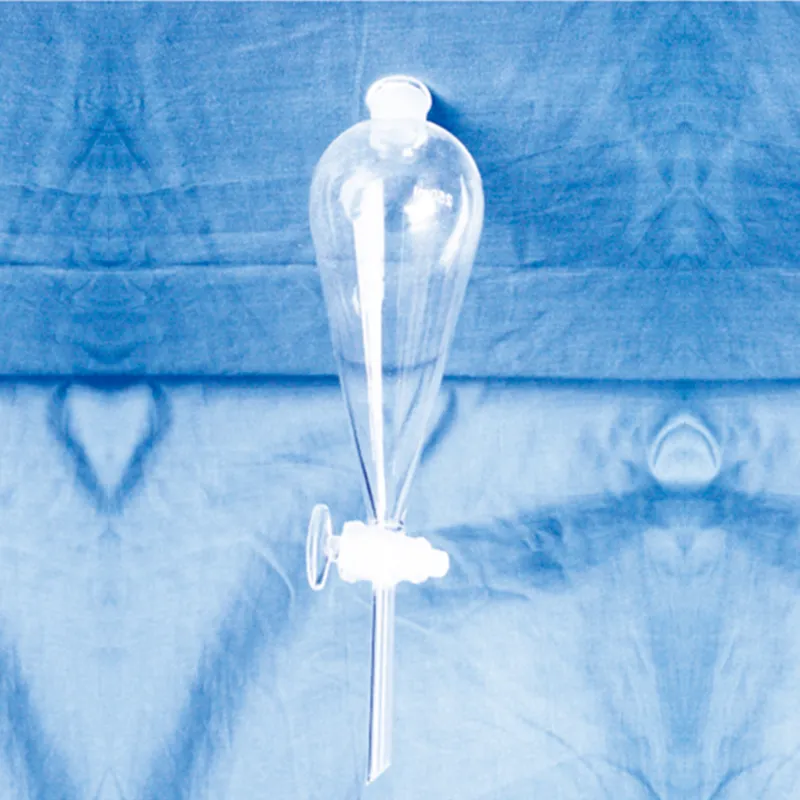
Its superior optics enhance observation precision with crisp, high-resolution images at every magnification. Its durable construction resists frequent use in the classroom and professional environments. The variable brightness and focusing adjustments make the bone tissue microscope suitable for many types of specimens, from biological tissues to industrial samples. Optional digital accessories extend its functionality with high-resolution imaging, data storage, and analytical interface with modern research systems.

The bone tissue microscope has a wide range of professional and academic uses. In biomedical labs, it is used to analyze cell morphology and identify abnormalities. Industrial scientists rely on the bone tissue microscope in testing product consistency, micro defect detection, and surface characterization. In agriculture, it is used to study plant diseases, seed morphology, and pest interactions. Museums and conservation centers apply the bone tissue microscope in analyzing artwork materials to ensure proper preservation and restoration of historical works.

The bone tissue microscope of the future will integrate optical engineering and computational imaging. Quantum sensors and nanophotonic devices will enable researchers to image at atomic levels. Smart automation will streamline workflow, where researchers read instead of physically setting. The bone tissue microscope will use augmented reality interfaces, giving users direct access to multi-layered information. Through sustained innovation, it will be at the forefront of health science research, materials research, and environmental research.

In the interest of precision and reliability, the bone tissue microscope should be constantly exposed to cleanliness and maintenance. Switch it off at all times before adjusting or cleaning parts. The lenses may be cleaned with alcohol-free cleaners lightly to avoid scratching. Rotary components such as knobs and stage mechanisms value light lubrication at regular intervals. The bone tissue microscope must be stored away from direct sunlight and vibration. Professional checking once a year ensures optical alignment is not affected and prevents wear from invisible damage.
A bone tissue microscope is a convenient tool that magnifies microscopic materials that are invisible to the naked eye. It allows researchers, scientists, and students to view cells, microorganisms, and sensitive materials with careful attention at microscopic sizes. Modern bone tissue microscope models combine optical precision with electronic technology to give high-definition images and fine focusing. They are widely applied in biology, medicine, and material sciences for research, study, and instruction. With high-performance lenses and illumination systems, a bone tissue microscope enhances visualization to enable users to examine texture, shape, and structure at the microscopic level with utmost clarity and accuracy.
Q: What is a microscope used for? A: A microscope is used to magnify tiny objects or structures, allowing detailed observation of cells, microorganisms, and materials that are invisible to the naked eye. Q: How often should a microscope be calibrated? A: To maintain measurement accuracy and ensure accurate focus during research or analysis, regular calibration should be performed, typically once or twice a year. Q: What type of light source is commonly used in a microscope? A: Most modern microscopes use LED or halogen light sources, which provide stable light and adjustable brightness for clear images at a wide range of magnifications. Q: Can a microscope be connected to a computer? A: Yes, many microscope models feature USB or HDMI ports that allow image capture and digital display through specialized imaging software. Q: How should a microscope be stored when not in use? A: A microscope should be covered with a dust shield and stored in a cool, dry location to prevent contamination and protect optical components from humidity.
This ultrasound scanner has truly improved our workflow. The image resolution and portability make it a great addition to our clinic.
The water bath performs consistently and maintains a stable temperature even during long experiments. It’s reliable and easy to operate.
To protect the privacy of our buyers, only public service email domains like Gmail, Yahoo, and MSN will be displayed. Additionally, only a limited portion of the inquiry content will be shown.
Hello, I’m interested in your centrifuge models for laboratory use. Could you please send me more ...
I’d like to inquire about your x-ray machine models. Could you provide the technical datasheet, wa...
E-mail: [email protected]
Tel: +86-731-84176622
+86-731-84136655
Address: Rm.1507,Xinsancheng Plaza. No.58, Renmin Road(E),Changsha,Hunan,China


 EN
 af
 es
 ar
 tr
 sw
 pt
 th
 ur
 bn
 ne
 vi
 km
 lo
 de
 ru
 fi
 nl
 fa
 fr
 ko