apl valve anesthesia machine is an essential healthcare apparatus in medical facilities, which supports the safe delivery of anesthetic gas and patient ventilation at the same time. Its alert systems give immediate information about oxygen levels, breathing, and airway pressures, thus ensuring the anesthesiologists' control over sedation stability. The device is used in surgery rooms, casualty departments, and laboratory-based clinical research for the purpose of precise anesthesia administration. The combination of vaporizers, flow meters, and alarms guarantees both safety and flexibility. apl valve anesthesia machine support faster procedures, ease the monitoring process, and minimize the chance of complications happening during both ordinary and intricate clinical interventions.
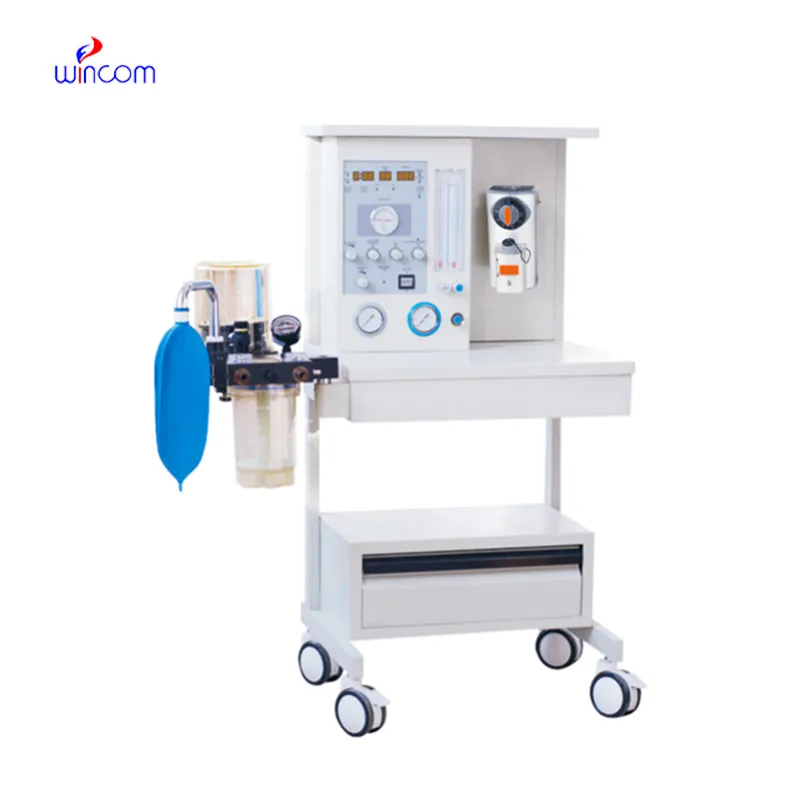
In the recovery and post-anesthesia care units, apl valve anesthesia machine is utilized to help patients move from anesthesia to the natural breathing process. Gradual cutting down of anesthetic gases is supported by the device while respiratory support is provided as per requirement. Medical personnel watch vigilantly over the patient reactions during this stage. Its use guarantees a regulated and risk-free deactivation of anesthesia, thus minimizing complications during postoperative recovery. This function emphasizes the remarkable clinical impact of apl valve anesthesia machine that stretches beyond the operating theater.
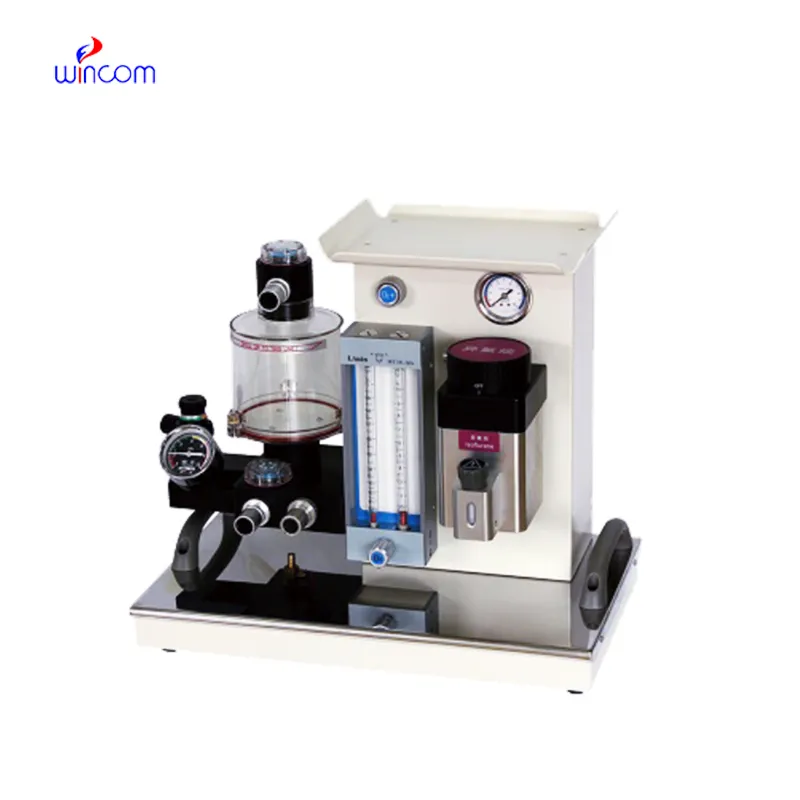
In the future, apl valve anesthesia machine will very probably add the features of ventilation that are more automated and suited to patients' breathing habits. Smart algorithms could help the doctors by changing the settings of ventilation according to the constant feedback. This development could lessen the need for human control in long operations without losing the accuracy of respiratory control. The same consistency in anesthesia delivery could be achieved in hospitals and laboratories doing research. These advancements are characteristic of the new medical environments where the anesthesia equipment will be more adaptive and responsive.
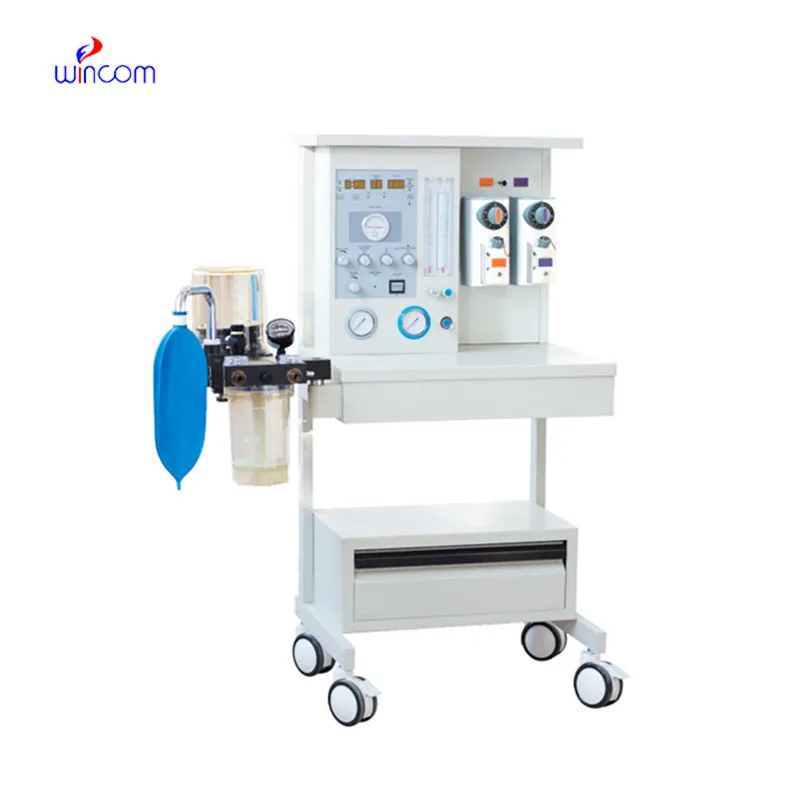
The proper care of apl valve anesthesia machine starts with weekly inspection before and after daily clinical use. The gas pipelines, connectors, and flow meters should be checked by the hospital staff to make sure they are working correctly. Cleaning and replacing of breathing circuits and masks should be done according to infection control protocols. Regular calibration of monitoring components is a way to always have accurate readings. In high-traffic operating rooms, stable maintenance schedules cut down on sudden breaks. Hospitals can prolong the lifespan of apl valve anesthesia machine and keep anesthesia delivery reliable by using inspection schedules that are structured.
Hospital intensive care units make use of apl valve anesthesia machine for sedation and ventilation support in critically ill patients. The instrument guarantees the patient's safety during the surgical interventions because it is capable of delivering precise anesthetics and monitoring the patient's respiration at the same time. It has alarm systems and customizable settings that enable quick reaction to changes in the body's functions. By ensuring dependable anesthesia and ventilation support, apl valve anesthesia machine becomes a crucial factor in the provision of safe and high-quality patient care in the areas of surgery and critical care labs.
Q: What is the main function of an anesthesia machine? A: Controlled anesthetic gases are delivered and the patient is ventilated during medical procedures. Q: Where is the anesthesia machine frequently used? A: Hospitals mainly use it in their operating rooms, emergency units, and intensive care departments. Q: Who operates the anesthesia machine during surgery? A: Trained anesthesiologists or anesthesia technicians are responsible for operating the device. Q: Can the anesthesia machine assist the breathing of a patient? A: Yes, by providing mechanical ventilation support when spontaneous breathing is insufficient. Q: Does the device monitor respiratory parameters? A: It monitors airflow, pressure and oxygen concentration all through the delivery.
The delivery bed is well-designed and reliable. Our staff finds it simple to operate, and patients feel comfortable using it.
We’ve been using this mri machine for several months, and the image clarity is excellent. It’s reliable and easy for our team to operate.
To protect the privacy of our buyers, only public service email domains like Gmail, Yahoo, and MSN will be displayed. Additionally, only a limited portion of the inquiry content will be shown.
Hello, I’m interested in your centrifuge models for laboratory use. Could you please send me more ...
I’m looking to purchase several microscopes for a research lab. Please let me know the price list ...
E-mail: [email protected]
Tel: +86-731-84176622
+86-731-84136655
Address: Rm.1507,Xinsancheng Plaza. No.58, Renmin Road(E),Changsha,Hunan,China


 EN
 af
 es
 ar
 tr
 sw
 pt
 th
 ur
 bn
 ne
 vi
 km
 lo
 de
 ru
 fi
 nl
 fa
 fr
 ko