With contemporary health care in consideration, the Chair Bed combines smart features with a design that is ergonomic. It usually includes a caregiver control panel and side buttons that are patient-use. The bed height, backrest, and leg segments are adjustable based on the specific medical procedure. The Chair Bed may include folding side rails, oxygen holder slots, and IV pole connections. Its intended design is patient safety, long-term durability, and ease to sanitize in a healthcare environment.
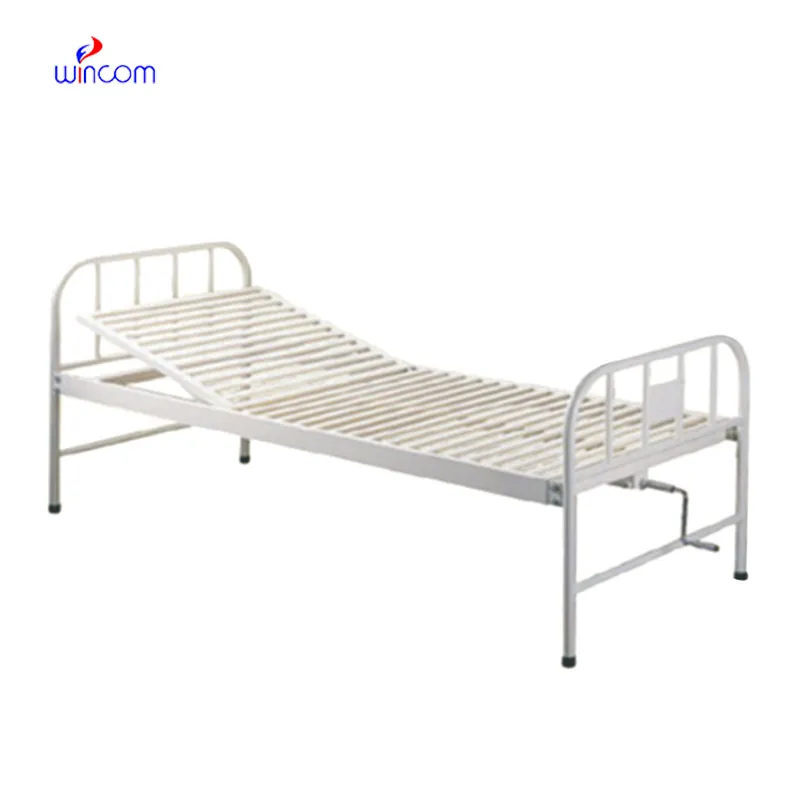
The Chair Bed finds varied application in different areas of healthcare. It is used in diagnosis, monitoring, treatment, and long-term care. In home care, the Chair Bed enables disabled or elderly patients to live more comfortably with assistance. In hospitals, it facilitates patient transfer, monitoring, and therapy. The adjustable design accommodates different medical needs, improving caregivers' and patients' coordination and facilitating safer, more effective practices.
The future of Chair Bed evolution will focus on connectivity, automation, and optimization of comfort. Embedded smart sensors will evaluate body pressure distribution and make automatic adjustments. The Chair Bed will probably be an element of an integrated care system linked to cloud-based systems for round-the-clock monitoring. Augmented reality interfaces may guide healthcare professionals in making accurate adjustments. This intersection of technology and design will revolutionize patient comfort and caregiver efficiency.
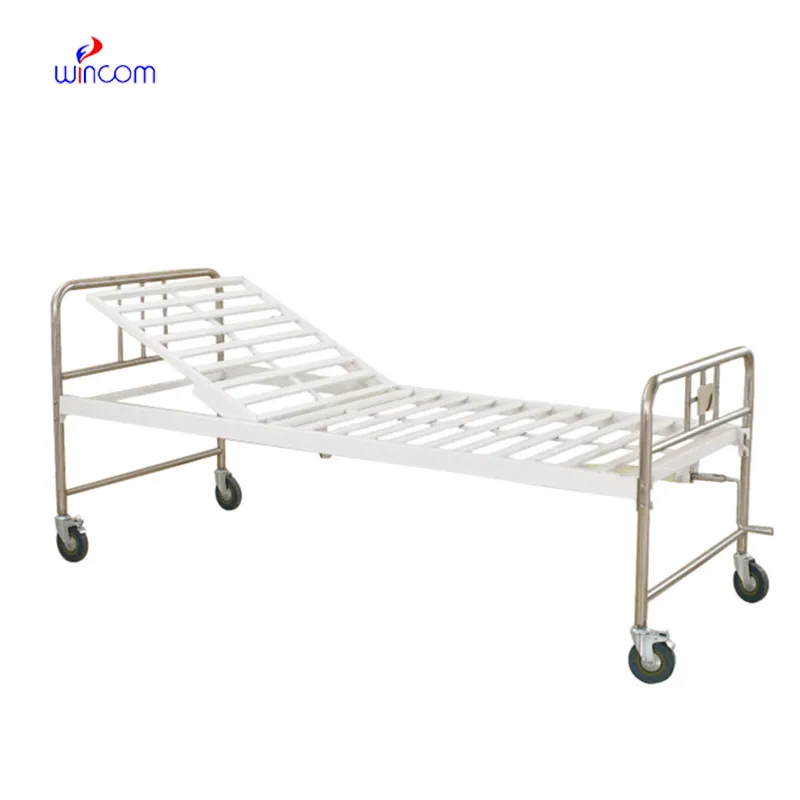
The Chair Bed is well maintained to ensure regular performance and hygiene. It deters dust and fluid buildup through regular cleaning, which keeps the patient safe. Technicians must inspect joints, motors, and rails for any early indications of wear. All Chair Bed moving parts must be inspected for smoothness and screwed tightly. With a routine schedule of inspection, hospital staff can ensure reliable and long-lasting equipment use.
The Chair Bed is an integral part of care with a patient focus and is made with maximum comfort and safety in mind. It has adjustable height, backrest, and leg sections for fulfilling various medical needs. The Chair Bed decreases caregiver workload through easy operation and availability. Brake systems and side rails increase safety, and ergonomic design decreases patient discomfort. It is an integral part of modern healthcare centers, assuring patient comfort as well as effective management of care.
Q: Why is adjustability important in a hospital bed? A: Adjustability allows patients to find comfortable positions and helps caregivers perform medical tasks more efficiently. Q: How do hospital beds help maintain hygiene? A: Smooth, easy-to-clean surfaces and disinfectant-safe materials prevent contamination and ensure cleanliness. Q: What function do casters serve in a hospital bed? A: Casters provide easy movement, allowing quick repositioning or transfer of patients within the facility. Q: How do hospital beds support patient recovery? A: By reducing pressure points and supporting posture, hospital beds promote circulation and aid faster recovery. Q: Are there different types of hospital beds? A: Yes, hospital beds come in manual, semi-electric, and fully electric models to meet diverse medical needs.
The delivery bed is well-designed and reliable. Our staff finds it simple to operate, and patients feel comfortable using it.
The water bath performs consistently and maintains a stable temperature even during long experiments. It’s reliable and easy to operate.
To protect the privacy of our buyers, only public service email domains like Gmail, Yahoo, and MSN will be displayed. Additionally, only a limited portion of the inquiry content will be shown.
Could you please provide more information about your microscope range? I’d like to know the magnif...
I’d like to inquire about your x-ray machine models. Could you provide the technical datasheet, wa...
E-mail: [email protected]
Tel: +86-731-84176622
+86-731-84136655
Address: Rm.1507,Xinsancheng Plaza. No.58, Renmin Road(E),Changsha,Hunan,China


 EN
 af
 es
 ar
 tr
 sw
 pt
 th
 ur
 bn
 ne
 vi
 km
 lo
 de
 ru
 fi
 nl
 fa
 fr
 ko